What is
Intimate
Justice?
It is the ground on which women's health, dignity, and autonomy stand.
Their words,
Our Research.
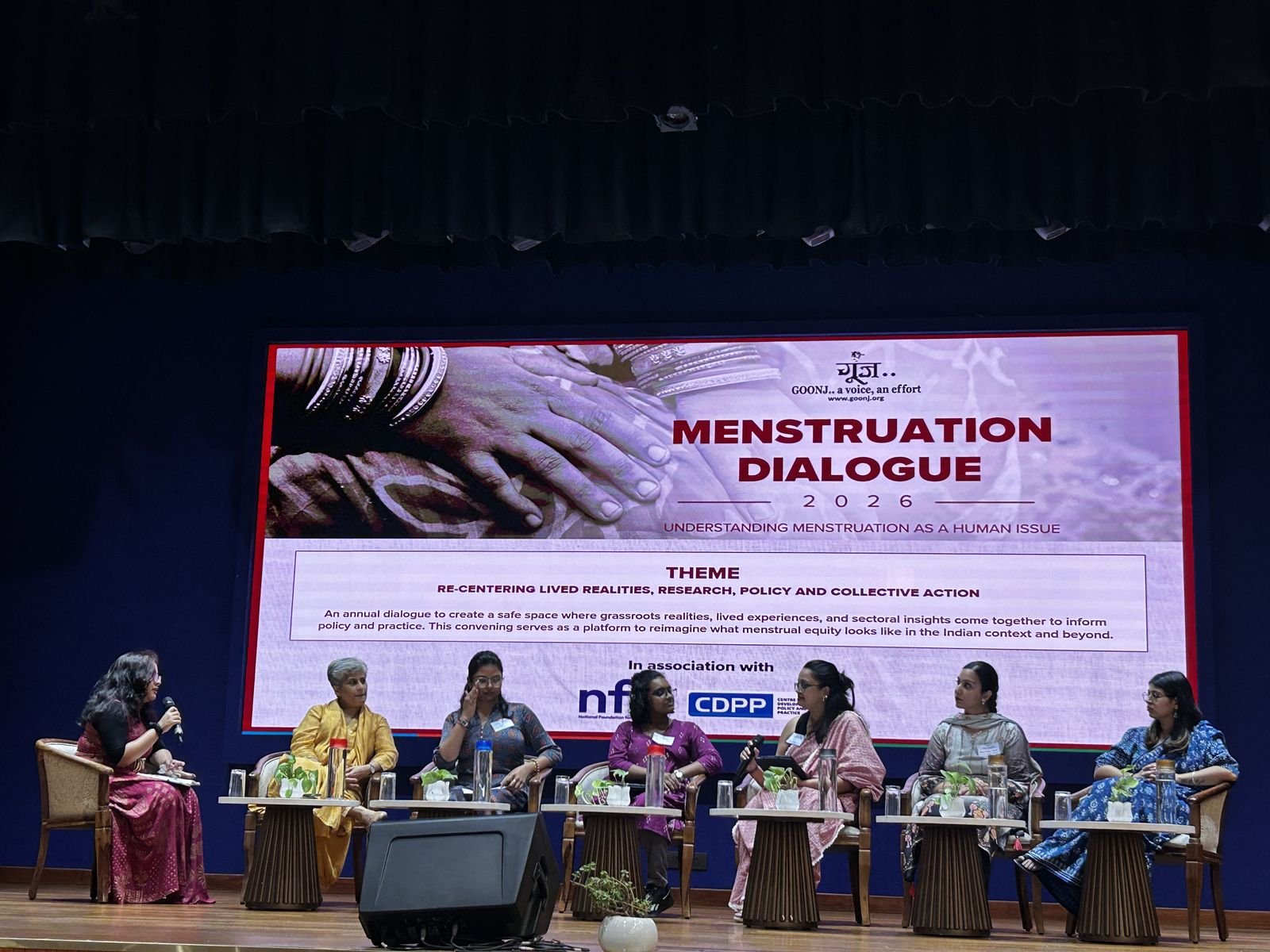
OUR RESEARCH: We conversed with 100 tribal women across 4 districts in Nagaland and they shared how they navigate the difficult terrain, poor infrastructure, societal norms and lower income to access essential products everyday for their intimate wellbeing.
 Voice 01
"We often re-stitch our old underwear and reuse them because we cannot buy."
 Voice 02
"Whatever we earn goes to our children's education. Buying underwear for ourselves feels selfish."
 Voice 03
"Even if I want to buy underwear, the shopkeeper laughs and says there are none my size."
 Voice 04
"Some women think underwear is only for the rich."
 Voice 05
"If someone sees it hanging, they will laugh, so I dry my underwear near the fire at night."
Why underwear is a
rights issue.
Intimate Justice spans three interconnected dimensions — each essential to understanding why a garment is also a gateway.
Health & Hygiene
Without underwear, there is no functional garment to put pads on during menstruation thereby pushing the use of unsafe materials like rags, ash, soil. Washing of menstrual rags in clean water is also restricted. These unhygienic practices lead to infections, diseases and sometimes serious health conditions in rural women.
Mobility & Participation
Women who cannot manage menstruation safely often restrict daily participation to non-menstruating days. The result is reduced mobility, school absenteeism, missed work, and limited social engagement.
Autonomy & Dignity
When washing underwear is considered shameful, or when a woman cannot independently purchase it, this reflects and reinforces systemic inequalities that position women's intimate needs as indulgence, not necessity.
Intimate Justice is therefore the enabling of women so that they can meet their bodily needs without shame, deprivation or exclusion.
Grounded in
lived reality
Our work includes continuous engagements with women to listen, observe and learn from their everyday experiences & bodily needs.
"Through these channels, we foreground the importance of social, economic, and physical access to underwear as a fundamental yet overlooked dimension of gender equity."